
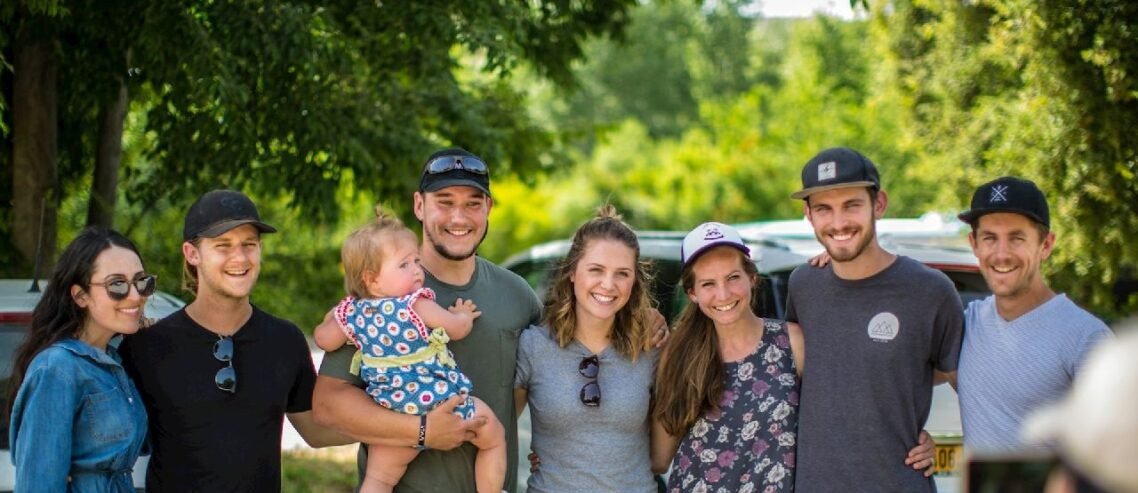

Couples & Families Going Nomad in 2026: Trends, Challenges, Schooling, Visas & Lifestyle Strategies
Digital nomadism is no longer the domain of single remote workers living out of backpacks.
In 2026, a major shift is underway: more couples and families are choosing a location-independent lifestyle. Rising housing costs, remote-first careers, better global infrastructure, and changes in cultural attitudes toward world-schooling are creating an environment where families feel empowered to explore global living.
But going nomad as a couple or a family is vastly different from traveling alone.
You have more responsibilities, more logistics, and more complexity — but also more stability, emotional support, and long-term lifestyle potential.
This comprehensive guide explores everything couples and families need to know to thrive as digital nomads in 2026: travel trends, schooling, healthcare, visas, budgeting, relationship strategies, safety, and how to choose destinations where kids (and adults) can flourish.
1. Why Couples & Families Are Going Nomad in 2026
The rise of family nomadism is one of the most notable lifestyle transformations in 2026. This isn’t a fringe movement — it’s a growing migration trend driven by economic, cultural, and technological factors.
Key Reasons for the Shift
1.1. Remote-first career normalization
Most professional couples now have at least one remote-capable career, while many have two.
This creates flexibility and reduces financial uncertainty.
1.2. Rising cost of living in hometowns
Families are finding that Budapest, Bangkok, Cape Town, or Medellín offer:
higher quality of life
better weather
better healthcare access
significantly lower living costs
Compared to major Western cities.
1.3. The growth of world-schooling
World-schooling — a mix of homeschooling, online programs, community learning, and local cultural immersion — is becoming mainstream.
1.4. Couples seeking shared adventure
Relationship research shows that shared experiences strengthen long-term bonds.
Nomad life offers endless opportunities for:
growth
novelty
challenge
teamwork
1.5. Families wanting to “reclaim time”
Nomad life often means:
less commuting
more time together
slower living
intentional routines
Couples and families are stepping into nomad life not because it’s trendy, but because it offers a meaningful alternative to expensive, stressful, time-poor lifestyles.
2. Relationship Dynamics: How Couples Make Nomad Life Work
Travel can strengthen or strain a relationship. For couples, nomad life magnifies:
communication habits
conflict styles
financial alignment
lifestyle differences
Understanding these dynamics early is crucial.
2.1. The 2026 trends shaping couple-nomad life
Shared decision-making
Couples are increasingly using digital tools for “co-planning”—shared calendars, budgeting apps, and trip-planning platforms.
Flexible home-basing
Many couples now maintain:
one “light home base”
plus 1–3 annual nomad destinations
This reduces friction.
Longer stays
Couples tend to stay 1–3 months per destination instead of rapidly moving.
2.2. Common challenges for nomad couples
Differing work rhythms
One partner burning out faster
Disagreements about destination choices
Financial imbalance
Social isolation
2.3. Strategies that successful couples use
Weekly alignment meetings
A 20-minute check-in covering:
money
work hours
travel logistics
social needs
mental load
Defined personal time
Couples who thrive schedule solo time weekly.
Destination rotation
Partner A chooses one destination, Partner B chooses the next.
Couples can thrive as nomads in 2026 when they plan intentionally, maintain healthy communication, and use structured rhythms to prevent burnout or imbalance.
3. Family Nomadism in 2026: A Global Mega-Trend
Family nomadism is exploding in popularity. Thanks to education reform, global digital infrastructure, and more government recognition of mobile lifestyles, families with children now represent a rapidly growing segment of the nomad community.
3.1. Types of nomad families emerging in 2026
Full-time nomad families
Move year-round with no fixed home base.
Slow-travel families
Spend 3–9 months in each place.
Hybrid families
Keep a home base but travel 3–6 months annually.
Split-location families
One partner stays home for work cycles, the other travels with the kids.
3.2. What makes 2026 unique?
Improved digital schooling tools
New global curriculum platforms offer:
structured coursework
assessment
real-time tutoring
social features
Family-friendly nomad visas
More countries accept dependents on digital nomad permits.
Rising demand for safer, community-oriented hubs
Families are increasingly gathering in:
Bali
Chiang Mai
Lisbon
Madeira
Tbilisi
Taipei
Medellín (select areas)
Digital transformation and education innovation have made family nomadism more accessible and practical than ever before.
4. Schooling & Education Options for Nomad Families
Education is the #1 question families have before going nomad.
2026 offers more schooling choices and flexibility than any previous year.
4.1. The Major Schooling Models
World-schooling
Full-time travel learning, project-based, experiential education.
Online school / virtual academies
Accredited programs with synchronous or asynchronous learning.
Unschooling
Child-led, curiosity-based learning.
Montessori micro-schools
Growing trend: hybrid community schools in nomad hubs.
Local international schools
Families staying long-term often enroll kids locally.
4.2. 2026 trends in nomad education
AI-assisted tutoring
Personalized learning paths for each child.
Global learning pods
Pop-up learning communities in places like:
Playa del Carmen
Da Nang
Penang
Koh Phangan
“Travel semesters”
Parents now design custom curricula around:
history
nature
languages
geography
culture
4.3. Socialization for nomad kids
The biggest myth is that nomad children lack socialization — but in 2026, community learning pods and nomad hubs provide:
friends
sports
shared activities
mentorship
Families have more education options than ever, from global online schools to community pods and world-schooling models that integrate real-life experiences into learning.
5. Visas & Legal Considerations for Nomad Families (2026 Edition)
Couples and families face more complex visa requirements. Fortunately, many countries are adapting quickly.
5.1. Countries offering family-inclusive digital nomad visas
Examples include:
Portugal
Spain
Croatia
Estonia
Malaysia DE Rantau
UAE
South Korea
Colombia
Brazil
These allow:
dependent visas
spouse visas
schooling enrollment
long-term stays
5.2. Challenges couples & families still face
higher income requirements
more paperwork
background checks
health insurance requirements
proving financial stability
proving relationship status
custody considerations for separated parents
5.3. The 2026 visa trends
More family-friendly visas
Countries want long-term residents.
Unified digital portals
Paperwork is streamlined.
Multi-country visa networks
Similar to Schengen, emerging in LATAM & SE Asia.
Families must plan visa strategies carefully, but 2026 offers the most inclusive and predictable environment yet.
6. Housing, Routines & Lifestyle Management for Couples & Families
Section Introduction
Housing and routines can make or break nomad life for couples and families. Stability, space, and comfort matter more when more people are involved.
6.1. Housing trends for nomad families in 2026
Co-living is out — family suites are in
Families need privacy and quiet.
Co-living providers now offer:
2–3-bedroom suites
soundproof work pods
kids’ play areas
outdoor spaces
Subscription housing
Monthly or annual subscription networks offer:
guaranteed availability
fixed pricing
kid-friendly facilities
Preferred property types
Families prefer:
2-bedroom apartments
villas
serviced apartments
walkable neighborhoods
6.2. Building daily routines
Successful families prioritize:
morning routines
quiet work hours
homeschooling blocks
scheduled outdoor time
evening wind-down
weekly planning
6.3. Choosing destinations
Key criteria include:
safety
reliable healthcare
air quality
playgrounds
parks
affordability
ease of transport
school options
Housing and routines require more planning for families, but with the right structure, nomad life becomes far more sustainable and enjoyable.
7. Budgeting & Financial Planning for Nomad Families
Family nomad life is often cheaper than living in major Western cities — but it still requires budgeting.
7.1. Cost drivers for families
larger housing
schooling
healthcare
transportation
food (kids eat constantly)
activities
7.2. 2026 budgeting trends
Destination pairing
Families now mix:
one low-cost destination
one mid-cost destination
one “dream trip”
Travel hacking
Families save significantly with credit card points.
Medical contingency funds
Families prioritize better insurance and emergency budgets.
7.3. Realistic monthly budgets
Low-cost hubs ($2,500–$4,500/month)
Da Nang
Chiang Mai
Medellín
Tbilisi
Penang
Cuenca
Mid-range hubs ($4,500–$7,500/month)
Lisbon
Kuala Lumpur
Taipei
Mexico City
Cape Town
High-cost hubs ($7,500–$12,000/month)
Barcelona
Dubai
Seoul
Tokyo
Sydney
Family nomadism can be surprisingly affordable — but costs vary dramatically depending on the destination mix and schooling choices.
8. Safety, Health & Medical Care for Nomad Families
Family safety takes priority over everything else.
Thankfully, 2026 is a strong year for global healthcare accessibility.
8.1. Healthcare options
global nomad insurance
local private clinics
telehealth pediatricians
urgent care networks
8.2. Vaccinations & medical prep
Families must ensure:
standard childhood vaccinations
region-specific immunizations
copies of medical records
8.3. Safety considerations
safe neighborhoods
walkability
traffic risks
safe transportation apps
good reviews for accommodations
air quality
Good health insurance, smart destination choices, and basic safety awareness create a stable foundation for family nomad life.
9. Best Nomad Hubs for Couples & Families in 2026
Some destinations are better suited for couples and families than others.
In 2026, several cities stand out for safety, cost, education, healthcare, and community.
Top Picks
1. Chiang Mai, Thailand
extremely safe
green spaces
strong community
low cost
2. Lisbon, Portugal
great weather
excellent healthcare
family-friendly neighborhoods
3. Bali (Canggu / Ubud)
world-schooling hubs
nature
community
wellness focus
4. Penang, Malaysia
great hospitals
multicultural learning
good schools
affordable
5. Medellín, Colombia
sunshine
strong nomad community
affordable
great food (but choose safe neighborhoods)
6. Madeira, Portugal
nature
slow living
small, close-knit community
7. Taipei, Taiwan
extremely safe
amazing food
excellent transportation
In 2026, the best hubs balance safety, community, comfort, and quality of life — making long-term nomadism more sustainable for couples and families.
Conclusion
Couples and families are becoming a defining force in digital nomad culture in 2026.
With better global infrastructure, more inclusive visas, expanding education options, and a growing network of family-friendly destinations, living nomadically as a couple or with children has never been more feasible.
The key to success lies in:
thoughtful planning
clear communication
sustainable routines
choosing the right places
having solid financial and medical safety nets
prioritizing emotional well-being
When done intentionally, the lifestyle offers unparalleled growth, deep family bonding, cultural exposure, and a richer life experience.

Comments
Leave a Comment