
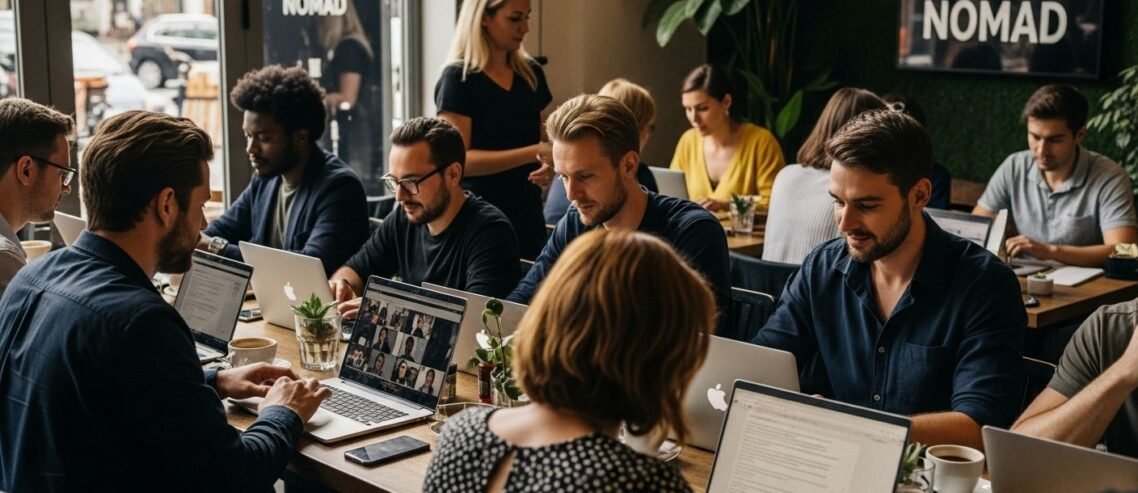

Lifestyle Trends for Digital Nomads in 2026: Slow Travel, Micro-Hubs & the Rise of Community Living
Digital nomad life in 2026 looks dramatically different from the chaotic, fast-paced, country-hopping lifestyle that dominated the early 2020s. What used to be a movement defined by freedom, spontaneity, and constant travel has evolved into something more sustainable, intentional, and community-driven.
Nomads in 2026 want:
meaningful, stable connections
cost-efficient, long-term living arrangements
reliable infrastructure and mental well-being
sustainable travel rhythms
supportive micro-communities
a healthier balance between work, life, and movement
This long-form guide explores the major lifestyle shifts shaping how digital nomads live, including slow travel (“slowmadism”), the booming network of nomad micro-hubs, subscription-based co-living models, community-first nomadism, climate-driven travel patterns, wellness-oriented lifestyles, and more.
1. Slow Travel Becomes the Norm (“Slowmadism 2.0”)
Fast travel is dying—slowmadism has become the dominant lifestyle pattern for digital nomads in 2026. Instead of changing cities every few weeks, most nomads now stay 2–6 months in one location, often planning full-year arcs between two or three countries.
Below, we break down the reasons why slow travel is winning and how it impacts the nomad lifestyle.
1.1 Why Slow Travel Gained Massive Popularity
Cost Efficiency
Staying longer often means:
lower accommodation costs
monthly discounts on co-living or rentals
reduced transportation expenses
more predictable budgets
Better Productivity
Nomads discovered that slower travel:
reduces setup fatigue
creates more consistent work routines
makes productivity more stable
lowers stress
Stronger Relationships
Staying longer allows nomads to:
make friends
join communities
find local activities
date more sustainably
Sustainability & Ethical Travel
Nomads in 2026 are more eco-conscious:
less frequent flights
deeper cultural involvement
reduced carbon footprint
1.2 Typical Slowmad Travel Patterns in 2026
Nomads now follow seasonal circuits instead of random travel:
Summer in the Balkans, winter in Portugal
Dry season in Mexico, summer in Europe
Monsoon-avoiding Southeast Asia circuits
Andes + Patagonia for South America
Most slowmads now build a predictable annual loop of 2–3 regions.
1.3 Where Slowmads Prefer to Stay
Popular long-stay cities in 2026:
Medellín
Lisbon
Chiang Mai
Mexico City
Tbilisi
Buenos Aires
Valencia
Cape Town
Da Nang
Taipei
Each offers:
lower long-term rent
established nomad communities
reliable Wi-Fi
safety
café and co-working culture
Slow travel is no longer a niche preference—it’s the foundation of how most digital nomads live in 2026. It reduces burnout, improves productivity, creates healthier relationships, and makes the lifestyle financially sustainable.
2. Micro-Hubs: The New Geography of Digital Nomadism
A seismic shift is underway: instead of large nomad hotspots, the world is now filled with “micro-hubs”—small, concentrated pockets of nomads forming self-sustaining communities in specific neighborhoods or districts.
These hubs offer:
walkability
convenience
community spaces
safety
local culture
amenities within 15 minutes
2.1 What Are Nomad Micro-Hubs?
A micro-hub is a compact cluster where nomads live, work, and gather, usually within 4–8 blocks.
Example micro-hubs:
Laureles, Medellín
Canggu’s Batu Bolong, Bali
Roma Norte, Mexico City
Ericeira town center, Portugal
Nimmanhaemin, Chiang Mai
Palermo Soho, Buenos Aires
These hubs act as predictably comfortable “living environments” for nomads.
2.2 Why Micro-Hubs Are Popular in 2026
Convenience
Everything is within walking distance:
co-working spaces
cafés
gyms
bars
grocery stores
apartments
Safety & Comfort
Nomads prefer small, well-defined areas that are:
safe
well-lit
walkable
easy to navigate
full of other nomads or expats
Community Density
Micro-hubs create:
built-in social life
collaboration
weekly events
natural networking
People bump into each other daily, which builds relationships faster.
2.3 The Top Emerging Micro-Hubs of 2026
Besides evergreen favorites, new micro-hubs trending in 2026 include:
Las Palmas (Canary Islands)
Da Nang Beachfront district
Bansko, Bulgaria
Porto (Cedofeita/Baixa)
Tirana’s Blloku
São Paulo Pinheiros (urban nomads)
Split’s Old Town vicinity
Micro-hubs have replaced large cities as the new “nomad ecosystems.” They offer community, walkability, convenience, and safety, making them ideal for long-term living.
Section 3 — Community Living: The Rise of 3. Co-Living & Nomad Subscriptions
Digital nomads in 2026 are tired of isolation and unpredictability. Co-living—once seen as a niche concept—is now mainstream, structured, and subscription-based. Communities play a defining role in lifestyle satisfaction.
3.1 Subscription-Based Living: Nomad Housing 3.0
Many nomads now join subscription homes such as:
Outsite Pass
Selina Nomad Passport
Habyt Global Lease
The Collective (revived in new form)
Roam
common co-living networks
This model offers:
predictable monthly costs
furnished units
cleaning services
community events
“move anytime” flexibility
3.2 Benefits of Co-Living for Nomads
Built-in Community
Nomads instantly meet:
friends
collaborators
adventure partners
co-workers
No Long-Term Contracts
Perfect for flexible lifestyles:
no deposits
no paperwork
no furniture buying
Productivity-Oriented Environments
Co-livings now often include:
co-working floors
private meeting rooms
event spaces
gyms
meditation rooms
3.3 The Democratization of Community
In 2026, “community living” doesn’t just mean organized co-living spaces. Nomads create:
WhatsApp groups
weekly potlucks
mastermind groups
sport meetups
hiking clubs
coworking circles
local Slack communities
This allows even budget nomads to access community life.
In 2026, community is no longer optional. It is a central lifestyle element, with nomads choosing cities and accommodations that offer support networks, stable routines, and meaningful human connection.
4. Wellness, Health & Sustainability Becoming Lifestyle Priorities
Where digital nomads once focused on adventure, nightlife, and novelty, 2026 shows a clear shift toward long-term well-being, stability, and healthy routines.
4.1 The Wellness-Driven Nomad Lifestyle
Nomads now frequently prioritize:
gyms close to home
clean eating
morning routines
meditation & breathwork
walks and nature
sleep hygiene
ergonomic workstations
Cities with good wellness infrastructure (gyms, parks, cafés with healthy food) score higher.
4.2 Mental Health as a Central Lifestyle Concern
Isolation and burnout taught nomads valuable lessons.
In 2026, they prioritize:
longer stays
social circles
therapy (online or local)
coworking memberships
structured weeks
Slow travel reduces burnout dramatically.
4.3 Sustainability & Ethical Nomadism
Nomads are adopting:
fewer flights
trains between European hubs
local shopping
“light footprint” living
volunteering in communities
Ethical tourism is now expected rather than optional.
The 2026 nomad lifestyle is defined by balance, routine, health, and sustainability rather than constant movement or adrenaline-driven adventure.
5. How Digital Nomads Socialize & Build Community in 2026
The social life of digital nomads used to be chaotic—meeting new people every few weeks and constantly starting over. In 2026, things are much more structured, with nomads finding community through micro-hubs and shared experiences.
5.1 Shift from Friendships of Convenience to Deeper Relationships
Nomads now:
return to familiar cities
maintain ongoing relationships
travel with “friend clusters”
build local bonds in long-stay hubs
5.2 Events & Communities That Hold Nomads Together
Nomads build social life around:
coworking events
community dinners
language exchanges
gym classes
hobby groups
nomad conferences
creator meetups
hiking or surfing groups
5.3 Dating & Relationships in the Nomad World
Dating apps remain popular, but long-stay lifestyle creates:
more stable relationships
cross-border couples
seasonal cohabitation
less short-term dating
In 2026, digital nomads build deeper, more meaningful relationships thanks to longer stays, micro-hubs, and structured communities.
6. Sustainable Travel Patterns & Climate Adaptation
Climate conditions now significantly influence nomad travel patterns. Instead of simply choosing “cool places,” nomads plan around summer heat waves, rainy seasons, and wildfire risks.
6.1 Climate-Aware Migration
2026 nomads plan around:
extreme heat
monsoons
air-quality concerns
hurricane seasons
droughts and water shortages
They build itineraries based on climate comfort.
6.2 The Rise of “Climate-Safe” Nomad Cities
Popular cooler or climate-stable cities:
Porto
Tbilisi
Melbourne
Buenos Aires
Medellín
Da Nang (season-dependent)
Taipei
Most Balkan cities
6.3 The Shift Away from Overheated Tropical Hotspots
Nomads increasingly avoid:
Bangkok in summer
Bali during extreme humidity
parts of India during peak heat
Mexico in hottest months
Climate patterns now shape the nomad calendar and destination decisions. Comfort, safety, and air quality matter more than ever.
7. The Future of the Digital Nomad Lifestyle (2027 and Beyond)
The 2026 lifestyle changes show the digital nomad movement is maturing. What comes next? Stability, deeper networks, mobility subscriptions, and global infrastructure built specifically for nomads.
7.1 Predictions for Post-2026 Nomad Lifestyles
- More nomad villages and micro-communities
- Multi-city subscription living models
- Eco-conscious, slow, sustainable travel
- AI-managed community living
- Destination tiers forming (premium vs. budget hubs)
- Hybrid lifestyle: part-time nomads
7.2 What Won’t Come Back
hyper-fast travel
“backpacker-style nomadism”
purely solo lifestyles
unstable, unpredictable work patterns
The movement is becoming more structured and professional.
Digital nomad lifestyles are moving toward stability, slow movement, community, and long-term viability.
Conclusion
The digital nomad lifestyle in 2026 is defined by intentionality, community, and sustainability. Nomads no longer chase fast-paced adventure; instead, they seek healthier routines, supportive micro-communities, subscription-based living, and long-term relationships. Slow travel has become the default, and micro-hubs have replaced sprawling cities as the core of the nomad world.
The future of digital nomadism is stable, connected, and human-focused—and the lifestyle is more attractive and accessible than ever before.

Comments
Leave a Comment